
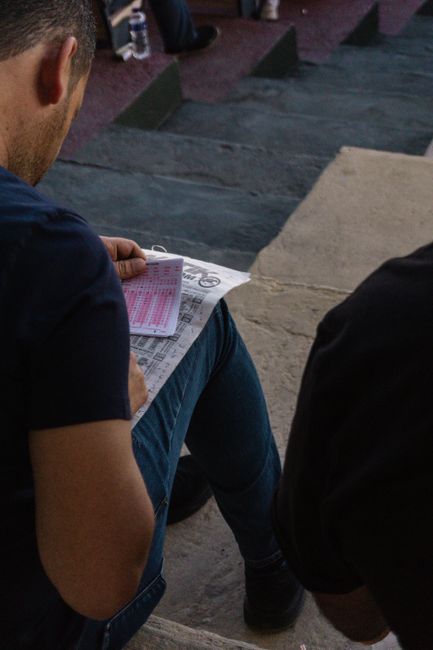
Living room moment










A $10 joke bet turns into a $200 regret by the fourth quarter.
Phones glow across a living room as friends ping each other same‑game parlays after every big play. Laughter and high‑fives mask a steady pile of small stakes turning into bigger tickets—and bigger emotional losses when a single missed throw wipes everyone out.
Top NFL Offshore Sportsbooks for October 2026
BetUS
200% up to $1,000
Code:
NEW200
18+. Full T&C's apply.
18+. Full T&C's apply. Sports bonus: 100% match up to $500. Casino bonus: 100% match up to $500. Enter promo code NEW200 at deposit and get up to a $1000 bonus. Valid on your first three (3) deposits. Available for all deposit methods. Minimum deposit of $50.
Claim Offer
BetNow
$2,500
Code:
WELCOME25
18+. Full terms apply.
18+ Full terms apply. 25% cash bonus. 5X rollover requirement. Minimum deposit: $20 Maximum bonus: $2,500
Claim Offer
MyBookie
$500 + $25 Casino Chip
18+. Full terms apply.
18+. Full terms apply. The Bet Back Bonus is available for new customers on first-time deposits of $50 or more. To redeem, select the offer in the cashier while completing your first deposit. Make your pick(s) in the Sportsbook and then select ‘Opt In to Use Your Bonus’. A Bet Back Bonus pop-up will display, select ‘Claim’ and then enter the risk amount to place your bet. If it wins, you keep your profits. If it loses, get 100% of your risk refunded as Free Play with only 1-time rollover. Free Play can then be used to place bets in the Sportsbook and earn cash. Additional T&Cs apply, please visit MyBookie to access the Help Center or contact Live Chat for more details.
Claim Offer
Bet105
$50 Free Bet
Code:
NFLBETTING
18+. Full T&C's apply. North America only.
18+. Full T&C's apply. This promotion is available only to new accounts in North America. Freeplay amount must be wagered five times (5x rollover) before it becomes eligible for withdrawal. Only prematch (sportsbook) bets count toward the 5x rollover requirement. Each person may claim only one bonus. If a customer creates multiple accounts to exploit this promotion, bet105 will mark all related accounts as ineligible and reclaim the funds. If a client receives more than two free bets without making a deposit, any winnings from those bets will be forfeited. This promotion applies only to the initial deposit or if specifically assigned by bet105.
Claim Offer
BUSR Sports
100% up to $1,000
Code:
300SB1, 300SB2, 300SB3
18+. Full terms apply.
18+. Full terms apply. New BUSR members only. Minimum deposit of $50 required per qualifying deposits. Codes 300SB1, 300SB2, and 300SB3 must be entered at the time of each corresponding deposit.
Each code is valid one time only. Each bonus code must be claimed at least 24 hours apart. Only one promo code may be applied per deposit. A 20x rollover requirement applies to the combined total of your initial deposit and bonus before any withdrawal can be made. Redeemable in the Sportsbook only. BUSR management reserves the right to modify, suspend, or cancel this promotion at any time. Redeem each promo code in the cashier to get your bonus. Must be 18 or older. Please gamble responsibly. General House Rules Apply.
Claim Offer
Everygame Sports
100% up to $500
Code:
WELCOME500
18+. Full terms apply.
18+. Full terms apply. 100% up to $500 Bonus. Valid for non-crypto payment methods only. Minimum deposit amount $50. This offer is not available to customers from Canada or Mexico. The bonus code must be redeemed immediately after the deposit and before a wager has been placed. The sum of the deposit and the bonus are subject to rollover requirements of 12x at min. odds of -200 (1.5) before a new code can be redeemed. Max. $500 of each bet count towards the rollover requirements. Only bets placed on options that take place count towards the rollover requirements. Wagers on Horse Racing and Boosted Odds do not count towards the rollover requirements. All general Everygame Sportsbook rules apply.
Claim Offer
BetOnline
$250 + 100 Free Spins
Code:
FREE250
18+. Full T&C's apply.
18+. Full T&C's apply.
Claim Offer
BetWhale
125% Sports Bonus + $25 Chip
Code:
SWIFTNESS
18+. Full T&C's apply.
SWIFTNESS: minimum deposit is $30, 10x WG, no max CO
LOYALTY: 50x WG, 5x max CO 18+. Full T&C's apply.
Claim Offer
BetAnything
35% Free Play up to $105.
21+. Full T&C's apply.
21+. Full T&C's apply. Bonus: 35% of qualifying deposit, up to $105. Rollover: 8× (only sports action counts towards the rollover) deposit + bonus. Expiry: 7 days after credit. Hold period: 2 weeks. Payouts allowed only after rollover and hold period are completed. Example: Deposit $200 → Receive $50 Sports Free Play. Sports Free Play Rules: see the BetAnything General Reward Rules for eligible sports, wager types, odds, and rollover rules.
Claim Offer
Xbet
50% up to $200
21+. Full T&C's apply.
21+. Full T&C's apply.
Claim Offer
Bovada
50% up to $250
18+. Full T&C's apply.