
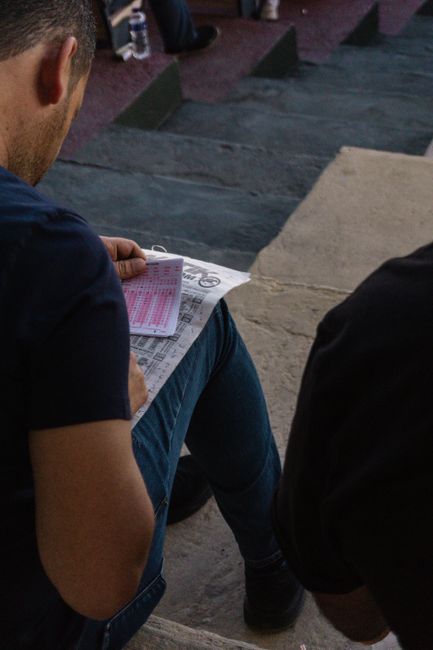
A $10 joke bet turns into a $200 regret by the fourth quarter.
Phones glow across a living room as friends ping each other same‑game parlays after every big play. Laughter and high‑fives mask a steady pile of small stakes turning into bigger tickets—and bigger emotional losses when a single missed throw wipes everyone out.
Top NFL Offshore Sportsbooks for August 2026


This isn’t just bad luck. Social pressure (friends egging each other on), slick advertising, and app design all nudge people toward riskier bets: one‑tap deposits, confetti for wins, highlighted parlay builders and odds boosts that make longshots feel sensible. Those design choices, combined with correlated outcomes in same‑game parlays, inflate variance and tilt expected returns downward. The thrill is engineered; the losses are predictable.
Correlation doesn't buy a free edge
Books price correlation directly; parlay odds reflect joint probabilities, not naive multiplication.
Sportsbooks use historical joint-event models and shrink parlay payouts or add vig so the implied chance matches their estimate; what feels like double value is usually already accounted for.
Operators often apply extra vig, reduce multipliers, or quote combined markets that eliminate separate pricing benefits.
To limit exposure they widen lines, lower parlay payouts, or prohibit certain combos—removing the perceived multiplier advantage.
Books monitor action, limit users, and sometimes block or void overlapping combos.
Repeatedly exploiting a pattern triggers limits or market changes; long‑term edges require systematic mispricing, not one-off intuition.
Compare the parlay's implied probability to the product of individual implied probabilities.
Look for “void if” or combined-market notes and reduced max bets.
If a market is disabled or capped, assume the book already priced the correlation.
Why stacking favorites in parlays breaks
Multiplying per‑leg probabilities rapidly reduces the chance the whole parlay wins.
Three legs each with an 80% chance win together only about 0.8^3 = 51% of the time; five of them fall to 0.8^5 = 33%. Individually strong outcomes become fragile when combined.
Payouts rise with more legs, but sportsbooks price odds and collect vig, so payouts rarely match the multiplied loss in probability for favorite‑heavy parlays.
Single favorites have low returns; as legs multiply, the win probability drops faster than the payout increases, and the house edge grows with each additional leg, eroding expected value.
Parlays increase variance; for lower variance and more predictable outcomes, single bets or very short parlays are better.
Fewer legs keep the compounded probability from imploding. For bettors who want lower volatility, consider single wagers, two‑leg parlays, or study pleasers and favorite/underdog tradeoffs to balance risk and return.
Narrative props don't reliably beat the market
Props are high‑variance, script‑dependent markets that bookmakers price knowing public sentiment; consistent edges are rare.
Single‑game samples and unpredictable game scripts make signal hard to separate from noise; books widen or shade lines expecting narrative action.
Most late moves reflect public money and liability management, not insider value.
Sharp books move prices to balance risk; when public money pushes a prop, the price often becomes worse for bettors, not better.
Correlations are recognized and often priced or restricted; added vig and payout schedules usually remove theoretical gains.
Books limit correlated combos, adjust pricing for overlap, and the compounded variance of multiple noisy props collapses long‑term win rates.
Quick data‑oriented Q&A
How noisy are Super Bowl props?
Extremely noisy: a single game produces small samples and wide variance, so short‑term outcomes swing wildly around any estimated edge.
Do heavy public percentages predict parlay failure?
Yes — legs attracting heavy public shares tend to move and underperform in parlays; see public betting percentages and parlay failure for context on how public backing correlates with poorer parlay outcomes.
If a line moves hard, is it usually good to bet?
Not automatically—if movement is public‑driven it often worsens value; useful movement is sustained, sharp‑led, and accompanied by market depth.
Practical takeaway for building parlays?
Avoid multiple narrative props, size stakes small, and favor legs with stable market pricing or clear, repeatable edges rather than headline narratives.
Surprising live‑parlay pitfalls
Books update prices fast; latency erodes that edge.
Odds and limits react to events and stakes.
Delays, suspended markets and refused fills happen often.
Streaming, acceptance time and volume produce fills different from displayed odds.
Offers are priced to favor the house and lower EV.
They remove upside and embed extra vig under pressure.
Myths busted: voids and cash‑outs
If a leg is voided, how is the parlay settled?
Most books remove the leg and recalc the ticket as a smaller parlay.
Can a void turn a winner into a push?
Yes; payouts drop or the ticket becomes a push, which lowers expected return.
Do cash‑outs preserve expected value?
No — offers include vig and usually reduce long‑term EV compared with holding the ticket.
Should recreational bettors play live same‑game parlays?
Generally avoid; markets, limits and void rules favor the house over casual bettors.
Cash‑outs cut EV.
Read void rules before staking.
Expect execution and price risk on game night.
Super Bowl night checklist
-
Set an entertainment stake
Treat same‑game parlays as fun money — limit bets to 1%–2% of bankroll or a fixed small dollar amount that won’t harm the roll.
-
Cap parlay legs
Keep parlays to three legs or fewer; each added leg multiplies variance and rapidly shrinks win probability.
-
Avoid correlated and narrative stacks
Don’t pair causally linked outcomes or story‑driven props that sportsbooks already price; correlation rarely creates extra value.
-
Prefer singles or small multis
Favor single bets or two‑leg multis for clearer edges, easier hedges, and steadier bankroll growth.
-
Use live caution
Skip fast live parlays, avoid impulse cash‑outs, and step away when lines move quickly.
Quick takeaway
- Keep stakes small and pre‑set.
- Limit legs to reduce variance.
- Choose singles or tiny multis over big same‑game parlays.
Super Bowl same‑game parlays are entertainment, not a reliable edge. Preserve bankroll by staking small, capping legs, and avoiding correlated/story bets. Prefer singles or modest multis for long‑term health.
