
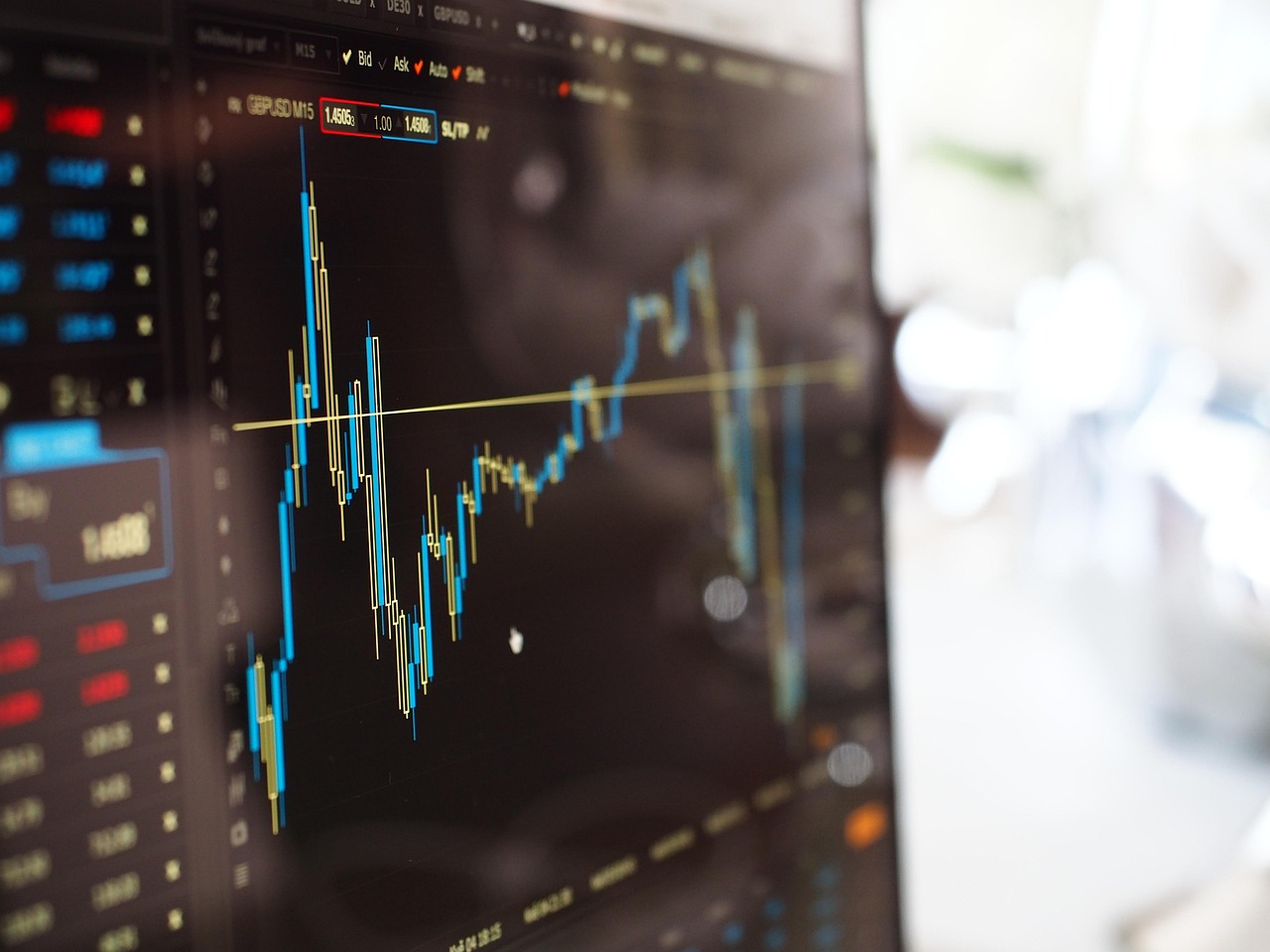
Betting on a February outcome in June is a bet on time as much as teams.
Imagine buying a 50‑1 ticket for a team in June, watching lines drift as injuries, free‑agent moves and coaching changes roll through the offseason. The initial price is fixed at purchase — odds are locked — but everything else moves: market sentiment, implied probability, and bookmaker margin hidden in prices. That trade‑off is the point: patience and information replace immediacy. A futures stake must survive months of volatility; one can face regret as a favorite emerges or hope when longshot value materializes. Consider bankroll sizing, the possibility of partial cash‑outs, and that the bookmaker's vig erodes theoretical value over time.
Top NFL Offshore Sportsbooks for September 2026


What a futures bet actually pays for
A Super Bowl futures wager names a team to win the Super Bowl at a price set long before the game. The ticket only wins if the named team is the league’s official Super Bowl champion when the outcome is declared; all other results lose. Most books resolve the contract once the NFL awards the title (postgame confirmation). If a season is canceled or a market is voided, stakes are typically returned — check the sportsbook’s rules.
American odds, implied probability, and payout
American odds translate directly into both the payout and an implied probability that the market assigns to an outcome.
- Positive odds (+800): stake $100 to win $800 (total return $900). Implied probability = 100 / (odds + 100). Example: +800 → 100 / 900 = 11.11%.
- Negative odds (-150): stake $150 to win $100 (total return $250). Implied probability = |odds| / (|odds| + 100). Example: -150 → 150 / 250 = 60%.
A ticket has positive expected value when the bettor’s estimated chance exceeds the implied probability (after accounting for the bookmaker’s margin). In short: odds show how much is paid and what chance the market assigns; winning requires that the named team becomes the official champion.
The bookmaker’s playbook
How opening prices are set
Bookmakers start with statistical models that combine team ratings, schedule, injuries and market history to produce an implied probability. Traders then convert probabilities into odds and add a margin — the vig — so the book earns profit if action is balanced. For a focused look at model mechanics and where theoretical edges hide, consult a deeper explainer on pricing methods.
Why lines move after opening
Odds move for two main reasons: information (injuries, coaching changes) and exposure management. When a book takes large bets on one team it adjusts prices to reduce potential loss, not necessarily because the underlying probability changed. Heavy public money or sharp action can both push lines; traders monitor ticket counts and liability by price, not just total dollars.
Where vig and limits show up
Vig is embedded in slightly worse odds across the market rather than an explicit fee. Limits are imposed when a book fears too much exposure on a longshot or a market segment; limits tighten when positions become lopsided or risk models flag correlated liabilities.
Practical edges for bettors
Edges are occasional and timing-dependent. Common opportunities include:
- Early-market mismatches before books fully update after news.
- Promotional lines and deposit bonuses that improve effective odds.
- Slow reactions from smaller books after sharp money moves on a large book.
These edges are small and fleeting; exploiting them requires speed, discipline, and awareness of transaction costs and limits.
Bets on futures lock capital for months. Even small perceived edges can vanish with injuries, lineup changes, or shrinking limits — size positions accordingly.
Why books quote different futures prices
Different sportsbooks set Super Bowl futures prices based on a mix of operational factors, not just models. Common drivers include:
- Risk limits and exposure: Traders shade lines to avoid large liabilities on popular teams.
- Customer mix: A book with many recreational bettors may offer softer prices than one serving sharps.
- Promotions and bonus offers: Temporary boosts or boosted odds change published prices.
- Timing and flow: Early markets, injury news, or large tickets shift prices quickly.
For practical tips and a deeper FAQ on comparing lines, see how to compare them.
Quick comparison routine
- Shop at several books and record the published odds.
- Convert odds to implied probability (decimal odds → 1/decimal).
- Remove vig roughly by normalizing summed probabilities to 100%.
- Compare normalized probabilities to identify relative value; favor positive expected-value gaps or timed promos.
Small, consistent edges from shopping and conversions improve returns over time.
When futures tickets settle
A futures ticket settles when the league officially declares the Super Bowl champion — normally right after the game ends and the NFL confirms the result. Sportsbooks use that official outcome as the trigger to pay winning tickets.
Typical payout timing:
- Most sportsbooks release funds within 24 hours.
- Some take up to 72 hours while they complete checks and accounting.
- Complex tickets (parlays, bonus bets) or verification holds can add delay.
House rules vary, so consult each book's policy; see the detailed settlement rules for common scenarios and timelines.
Plain language: If a Super Bowl is suspended then the league awards the title to Team A, sportsbooks follow that official award and pay winners. If the season is canceled before a champion is named, most books void and refund futures. If a title is later vacated months after payout, many sportsbooks still keep the settled result — check the book's rules for reversals.
Events that move futures, and how fast
Different events push Super Bowl futures with distinct speeds. Below are common categories and the typical market reaction so readers can prioritize responses.
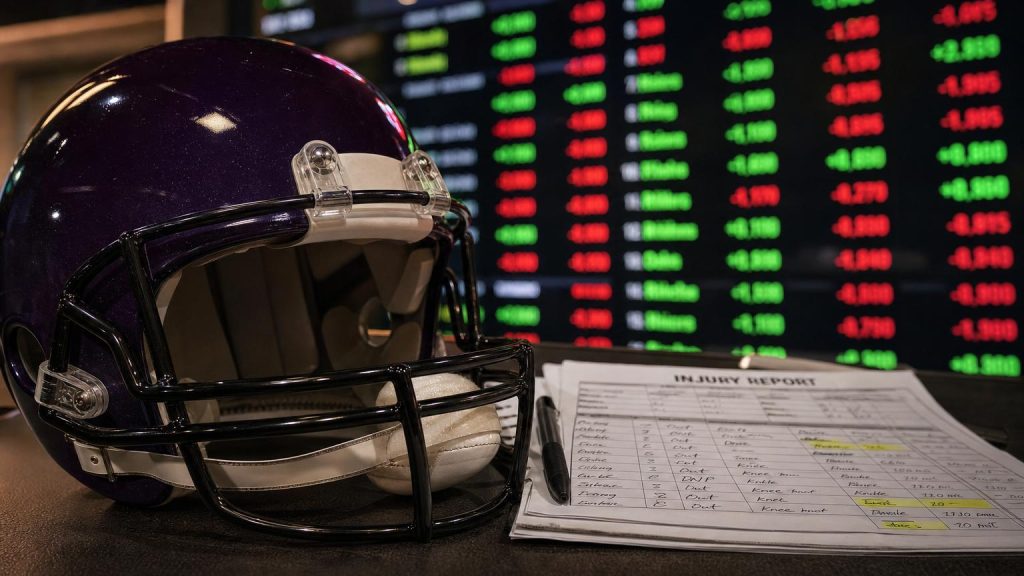
- Injury — immediate. Major injuries often trigger fast price swings; monitor the market moves after a major injury and act quickly if the change creates value.
- Trade — fast to days. Big trades can instantly rerate a team, but books may take hours to a day to catch up.
- Coaching change — days to weeks. The impact is more judgment-driven and unfolds as schemes and staff take shape.
- Draft — slow (weeks to months). Rookies shift long-term outlooks; see how draft results affect futures.
- Sentiment/public money — immediate, noisy. Prices can move on crowd behavior and revert.
Rule: treat injuries and blockbuster trades as immediate-action events; view drafts and coaching shifts as longer-term value opportunities.

When to buy: timing and bettor profiles
Deciding when to buy a Super Bowl future comes down to risk appetite and information. Markets generally offer the loftiest prices for longshots early — preseason through September — while November–January brings clearer signals and shorter odds. For a focused review of month-by-month performance, see which month tends to return best.
Rules of thumb by profile
- Longshot speculator: Buy early when odds are longest, keep stakes small (1–3% of bankroll per ticket), and spread risk across several teams. Early losses are cheap; a single upset can pay well. Hunt promos and shop lines across books.
- Value seeker: Wait for midseason data (around October–December) when injuries, schedules, and metrics reveal real contenders. Use value only when implied probability is meaningfully below an independent estimate and consider staggered purchases to lock profits or hedge later.
Practical tactics
- Dollar-cost futures: buy small shares at multiple points rather than one lump sum.
- Compare implied probabilities across books and factor in vig.
- If unsure about timing, consult guidance on whether to buy now or wait before committing funds.
These approaches trade off ticket price against certainty; match the tactic to temperament and bankroll constraints.
Midseason risk‑management playbook
-
1) Define objectives and thresholds
Decide the goal for the ticket (preserve profit, guarantee break‑even, or stay fully exposed) and set numeric triggers: a target cash‑out, maximum acceptable loss, and a calendar checkpoint (e.g., conference semifinals).
-
2) Partial hedge: lock some gains
Sell or cash out a portion of the position, or place a proportional opposite wager so some profit is realized while some upside remains. For practical techniques and sizing guidance, consult the approach to hedging without surrendering all upside.
-
3) Cross‑market hedge
Use correlated markets — conference futures, playoff matchup lines, or props (make conference, reach Super Bowl) — to build a hedge that costs less than an outright layoff. Size the hedge so that a loss on the futures is offset by a win in the correlated market.
-
4) Laddered cash‑outs
Take profits in steps as value appears: for example, cash 25–50% at an initial milestone, a further 25% at the next, and hold the remainder. This smooths timing risk and preserves optionality as the season progresses.
-
5) Example scenario: protect gains, keep upside
Original ticket: $100 at +800 (possible $900 return). Midseason market now values the ticket at about $400. Option A — partial cash‑out: take $200 (sell 50%) and leave half live; if the team wins total proceeds ≈ $200 + half the original payoff, if it loses the bettor keeps $200. Option B — cross hedge: bet $300 on a likely opponent at -150; if the opponent wins the hedge returns ≈ $200 to offset the futures loss, while a futures win still nets a reduced but positive gain.
• Consider a partial cash‑out when the current offer is a clear multiple of the original stake or when bankroll needs change.
• Preserve optionality by never selling 100% unless the immediate cash dramatically exceeds expected risk‑adjusted value.
• Account for vig and book limits when sizing hedges; small, staged hedges often outperform single, large trades.
• For specific guidance on when to surrender a longshot ticket versus holding, read the practical checklist at whether to cash out a longshot futures ticket.
Pre‑bet checklist: quick steps before placing a futures ticket
-
Confirm bankroll and unit size
Decide a fixed percentage of the betting bankroll for futures (typically small). Treat each futures stake as a single portfolio unit, not a standalone all‑in.
-
Shop prices across books
Compare odds and implied probabilities at multiple books; track promos or early‑season prices that change expected value.
-
Scan roster, schedule and market moves
Review recent injuries, trades, or coach changes and the likely market reaction; check the impact of early losses on valuation before sizing stakes.
-
Decide stake strategy for longshots vs favorites
Choose between laddered buys or small early tickets; consult the chasing longshots guide when judging whether a longshot warrant larger exposure.
-
Plan an exit or hedge
Set pre-defined cash‑out thresholds or a partial hedge plan so upside is protected without erasing all potential profit.


- Treat each futures ticket as a small, diversified position within a broader betting portfolio.
- Have a pre-set stake, price target, and exit plan before committing funds.
Futures are a portfolio decision: allocate small units, shop prices, and set exit rules. When judgment calls arise, consult deeper pieces on early losses and longshots to decide stake size.
